Pet Pulse Emergency Veterinary Clinic is dedicated to providing the best care for your pets. We have a team of well-versed veterinarians and other staff who are committed to ensuring the health and well-being of your pets. From regular consultations to emergency care, we are ready to serve you and your beloved pets throughout your loving journey. Visit us today to feel the difference our compassionate care can bring.

Contact Info
-
Corporate Address
Binghatti vista G shop 5, Dubai Silicon Oasis- UAE
-
DSO Branch
© Petpulse 2026, All Rights Reserved.
Business
Pet Obesity in Dogs and Cats: Signs, Risks & Weight Management Tips
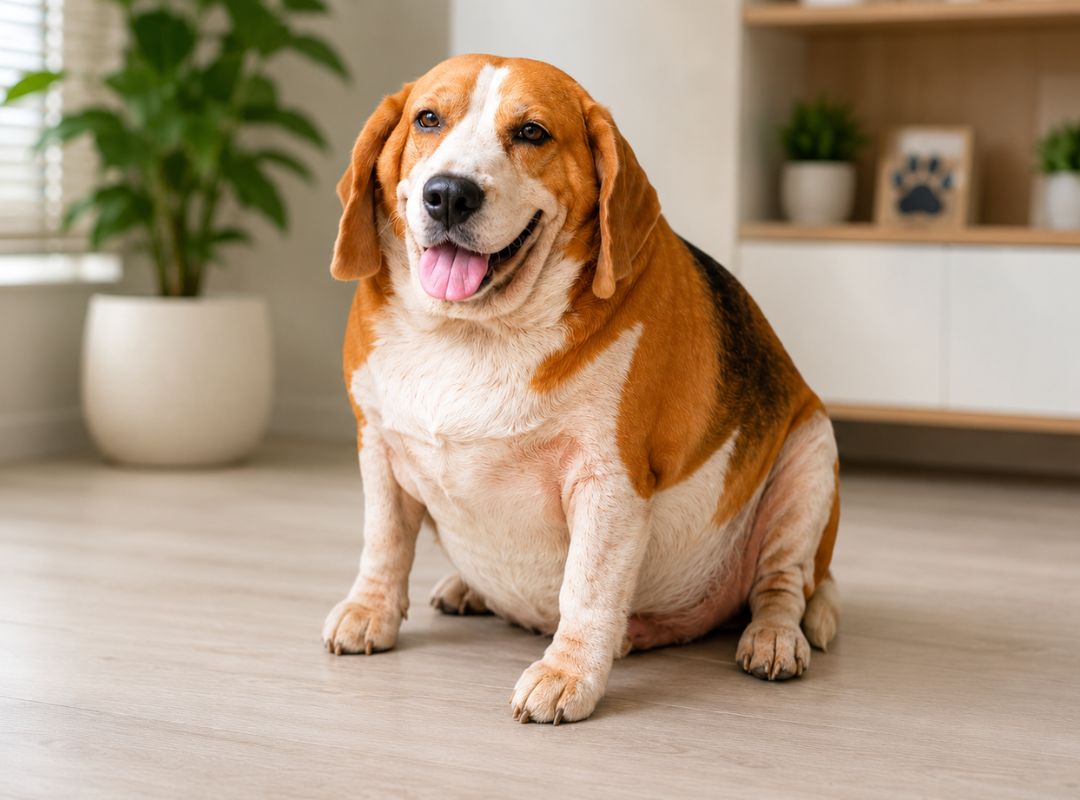
Just like people, dogs and cats can become overweight if they consume more calories than they burn. While a little extra weight may seem harmless, pet obesity can lead to serious health problems that affect your pet's quality of life.
Maintaining a healthy weight is one of the most important steps towards helping your pet live a longer, healthier, and happier life. Recognising early weight gain and making simple lifestyle changes can make a big difference.
What Is Pet Obesity?
Pet obesity occurs when a dog or cat carries excess body fat that negatively affects their health. It is more than simply being slightly overweight. Extra weight places stress on the joints, heart, lungs, and other vital organs, making everyday movement harder and increasing the risk of long-term health problems.
Veterinarians often use body condition scoring and regular weight checks to assess whether a pet is at a healthy weight.
What Causes Pet Obesity?
Weight gain is usually caused by a combination of factors. Overfeeding, frequent treats, lack of exercise, and reduced activity are among the most common reasons pets become overweight.
Older pets may also gain weight as their metabolism slows. In some cases, medical conditions, hormonal changes, or certain medications can contribute to weight gain.
If your pet is gaining weight despite eating normally and staying active, speak with your veterinarian for a proper health assessment.
Signs Your Pet May Be Overweight
Difficulty feeling the ribs
Rounded or less defined waist
Reduced energy levels
Reluctance to exercise
Heavy panting after light activity
Difficulty jumping or climbing stairs
Health Risks Associated with Pet Obesity
Excess weight can increase the risk of several serious health problems in both dogs and cats.
Arthritis
Diabetes
Heart Disease
Breathing Problems
Liver Disease
Reduced Mobility
Helping Your Pet Maintain a Healthy Weight
Healthy weight management starts with balanced meals, correct portion sizes, fewer unnecessary treats, regular activity, mental stimulation, and routine veterinary guidance.
Simple Daily Habits That Help
Measure food portions
Limit high-calorie treats
Encourage daily activity
Use play and enrichment
Monitor body weight regularly
Schedule routine vet checks
Weight Management Tips for Pet Owners in Dubai
Dubai Climate Matters
Walk dogs during cooler hours, encourage indoor activity during hot weather, avoid overfeeding when exercise levels drop, and make sure fresh drinking water is always available.
When Should You Visit a Veterinarian?
If your pet has gained noticeable weight, becomes tired easily, struggles with movement, or shows sudden changes in appetite or activity, a veterinary examination can help identify the cause and create a personalised weight-management plan.
Final Thoughts
Maintaining a healthy weight is one of the best ways to support your pet's long-term health and wellbeing. With balanced nutrition, regular activity, and routine veterinary care, many cases of pet obesity can be prevented or successfully managed.
Early action can help your pet stay more active, comfortable, and healthy for years to come.
Frequently Asked Questions
Is my pet overweight or just naturally big?
It can be difficult to tell by appearance alone. A veterinary examination and body-condition assessment can help determine whether your pet is at a healthy weight.
Can pet obesity cause serious health problems?
Yes. Obesity can increase the risk of arthritis, diabetes, heart disease, breathing difficulties, liver disease, and reduced mobility.
How can I help my pet lose weight safely?
Weight loss should be gradual and ideally guided by a veterinarian through portion control, appropriate nutrition, and regular activity.
When should I speak to a veterinarian about my pet's weight?
If your pet has gained noticeable weight, tires easily, or struggles with normal activity, it is a good idea to arrange a veterinary assessment.

Medically reviewed and written by
Dr. Sharoon
Dr. Sharoon is a dedicated veterinarian at PetPulse Dubai with a special interest in pet care and wellness. Outside the clinic, he enjoys sharing practical pet health tips through clear, easy-to-read articles for pet parents.